Prof Dr Mohd Shahwahid Haji Othman FASc EXCO, Publication Committee Malaysian Association of Social Impact Assessment (MSIA)
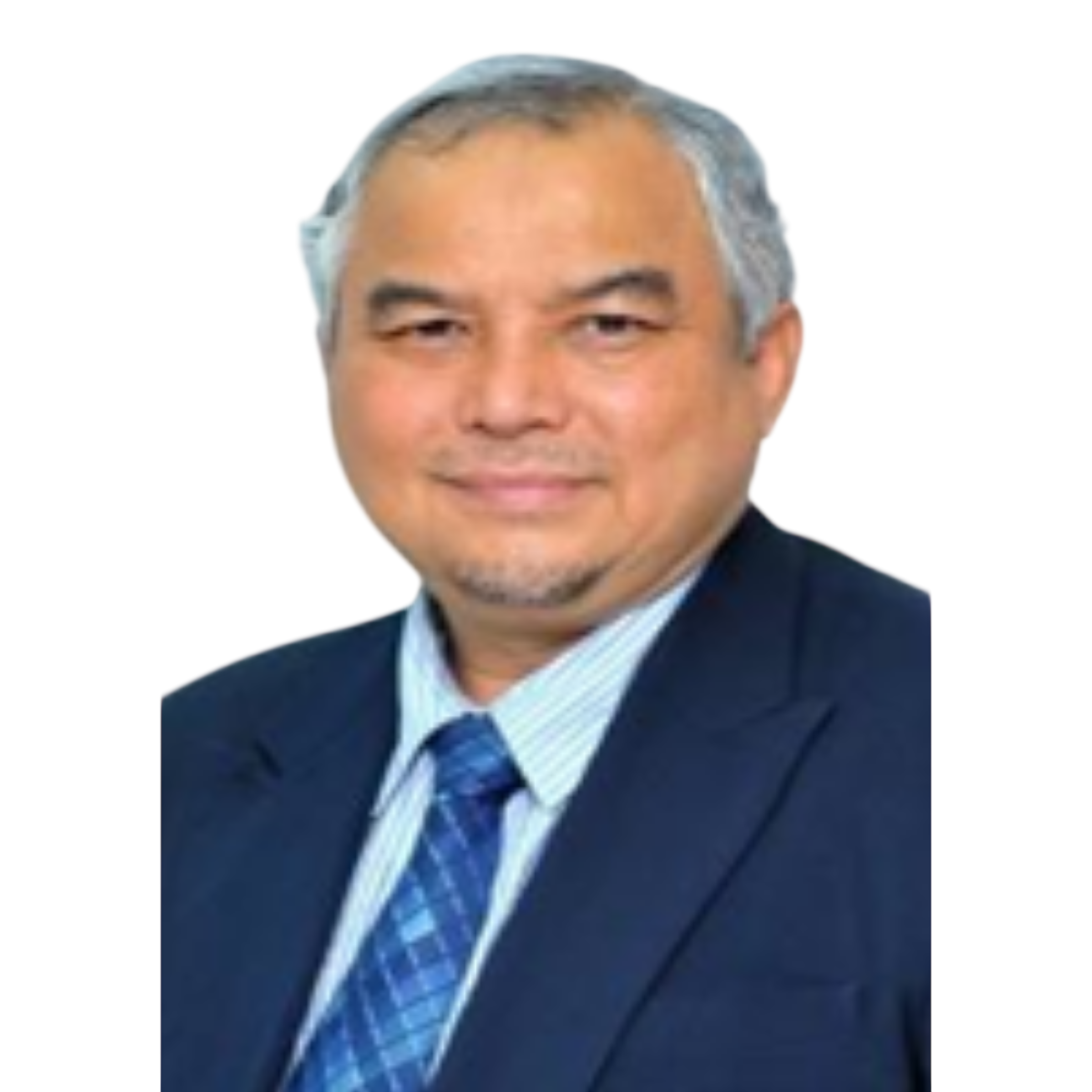
Dr Mohd Shahwahid Haji Othman FASc, is an EXCO member of the Malaysian Association of Social Impact Assessment (MSIA) and a committee member of the Organizing and Technical Committees of SIAC 2026, where he also serves as a Moderator.
Apart from being a consultant, trainer and panel assessor of PLANMalaysia’s SIA reports, he also serves as a teaching fellow at the School of Business and Economics, Universiti Putra Malaysia (UPM).
His professional philosophy is to promote wholesome education and research by integrating both physical and social sciences. My basic degree is on forestry that was enriched by graduate degrees in areas related to economics, social and environmental management and policy. Natural resources are a gift to mankind providing dual functions: on one hand as a producer of economic commodities while the other as a provider of ecological services including in assimilating and recycling wastes. The natural resources and the environment have to be managed on a sustainable basis so that these goods and services can be offered perpetually. Social impact assessments of projects and policies further enhanced the inclusivity of human society into the development process.
I belief, the economic development and resource management strategies are double pronged:
1.utilising the resource commodities efficiently and managing competencies all along the value chain with the aim of generating maximum foreign exchange.
2.harnessing the ecological services for the benefit of mankind by advocating environmental and natural resource conservation. The benefits of these ecological services have to be internalised into mainstream decision making processes
3.development projects to be established with minimal social impacts to society, and if impacts are unavoidable compensation and livelihood restorations are needed to affected parties.
In line with the above, I ascribe that the research and development strategies are:
1.research into the competitiveness of the resource-based industries in the age of globalisation, K economy and artificial intelligence. This would include research agendas on
a.identification and capitalisation of capabilities and competencies along the value chain
b.evaluations of Government policies and recommendations of appropriate action plans to ensure the industries obtain maximum value from the scarce commodities.
2.consultancy services to identify and assessed social impacts and provide social impact management plans (SIMP) to address and mitigate unavoidable impacts upon society
3.research into valuing the adverse impacts of unplanned development upon ecological and environmental services of intact and well-managed natural resources. This would include research agendas on
a.valuation of ecological and environmental services of natural resources
b.cost benefit analysis in environmental impact assessments of specified projects
c.economic/market-based instruments to promote environmental and natural resource conservation.